Summer AC Readiness in Port Chester, NY: Your Full Seasonal HVAC Checklist
As the Hudson Valley warms up, Port Chester homeowners know that a smooth-running air conditioner isn’t a luxury—it’s a necessity. Whether your system is brand-new or a seasoned workhorse, a thoughtful seasonal HVAC checklist ensures comfort, energy savings, and fewer emergency calls. This guide covers everything you need for summer AC readiness, from a spring AC inspection to energy-efficient AC care practices tailored to our local climate.
Why a Seasonal HVAC Checklist Matters in Port Chester Port Chester’s humid summers and coastal influences can strain HVAC systems. Salt-laden air and pollen can clog filters and condenser fins faster than you might expect. Following a clear seasonal HVAC checklist gives you the advantage of early detection, cost control, and better indoor air quality. Consider this your blueprint for AC maintenance in Port Chester, NY—practical steps you can do now, combined with professional HVAC tune-up services to keep your home cool all season.
Step-by-Step https://privatebin.net/?b830e0e1b8557c3f#5S1rEmGL7KrqwYAi4vgWQAk72mjKH7ZNSqfP7bkQmdv6 Summer AC Readiness Checklist
1) Schedule a professional spring AC inspection
- Book your appointment before the first heat wave. A licensed technician can test system performance, check refrigerant levels, evaluate electrical components, and identify small issues before they become big repairs. Ask your provider about comprehensive HVAC preventive maintenance plans. Seasonal packages often include priority scheduling and discounts on parts.
2) Replace or upgrade your air filter
- Air filter replacement is one of the cheapest ways to safeguard system efficiency and indoor air quality. In Port Chester, where pollen counts spike in spring, check filters monthly and replace every 1–3 months. If you have pets or allergies, consider a higher MERV rating (consult your HVAC pro to ensure compatibility and airflow).
3) Clean and clear the outdoor unit (condenser)
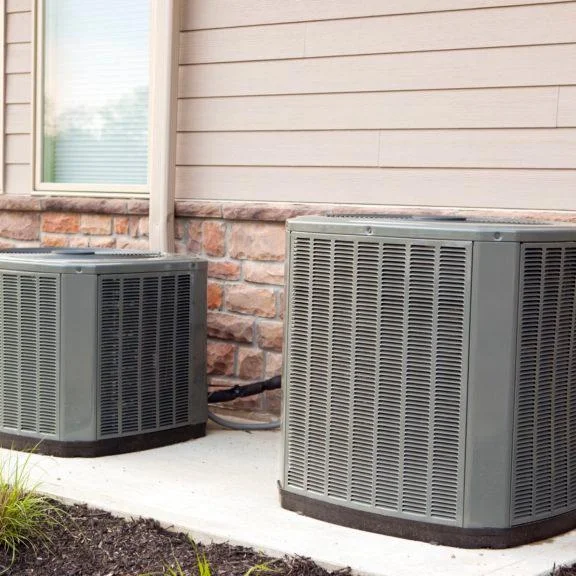
- Remove leaves, yard waste, and vegetation within a 2–3 foot radius around the unit to support proper airflow. Condenser coil cleaning is essential: dirty coils reduce cooling capacity and drive up energy costs. Light debris can be gently rinsed with a garden hose (power washers can damage fins). For heavy buildup, leave it to a pro as part of HVAC tune-up services.
4) Inspect and clean indoor vents and returns
- Vacuum dust from supply registers and return grilles. Make sure furniture, curtains, or rugs aren’t blocking airflow. Balanced airflow helps maintain even temperatures across rooms and reduces strain on the system.
5) Test the thermostat and settings
- Verify accurate temperature readings and smooth switching between modes. Consider a smart thermostat to optimize Port Chester AC upkeep, allowing automated setbacks, real-time monitoring, and remote control—key components of energy-efficient AC care.
6) Check the condensate drain and pan
- A clogged drain can cause water damage or musty odors. Ensure the line is clear and flowing; a diluted vinegar flush can help prevent algae buildup. Look for leaks around the air handler and confirm the float switch (if equipped) functions correctly.
7) Inspect ductwork and seals
- Air leaks can waste 20–30% of conditioned air. Look for loose connections or deteriorated tape. Professional duct sealing improves comfort and reduces energy use—an often-overlooked win for summer AC readiness.
8) Evaluate refrigerant lines and insulation
- Insulation on the suction line should be intact; missing or cracked insulation diminishes efficiency. If you suspect low refrigerant (ice on lines, poor cooling), schedule service. Only EPA-certified technicians should handle refrigerant.
9) Review electrical components and safety features
- Technicians will test capacitors, contactors, and connections during a spring AC inspection. If your breaker trips occasionally, mention it during service—it may indicate an electrical or compressor issue.
10) Calibrate airflow and check static pressure (pro task)
- Proper airflow is vital for both comfort and system longevity. Your HVAC technician can measure static pressure and adjust blower speeds, ensuring your system meets manufacturer specs.
11) Plan for peak-heat operation
- Shade your home with window treatments during the day and avoid heat-generating activities at peak hours. Small lifestyle changes complement AC maintenance in Port Chester, NY and reduce cooling loads.
12) Create a seasonal reminders list
- Set quarterly reminders for air filter replacement. Schedule mid-season check-ins if your home hosts large gatherings or if you notice performance changes.
When to Call for Professional HVAC Tune-Up Services While homeowners can handle basic cleaning and filter changes, many tasks benefit from a trained eye. Consider scheduling professional help if:
- Your system short-cycles or struggles to reach setpoint. Utility bills spike without a clear reason. You hear grinding, buzzing, or rattling from the condenser or air handler. Ice forms on refrigerant lines or evaporator coils. Airflow is weak or uneven across rooms.
A thorough professional tune-up should include:
- System performance testing and temperature split measurement. Electrical inspection (capacitors, contactors, relays, wiring). Refrigerant level verification and leak checks. Condenser coil cleaning and evaporator coil assessment. Thermostat calibration and controls test. Condensate line cleaning and drain safety checks. Airflow evaluation and filter assessment.
Energy-Efficient AC Care Tips for Port Chester Homes

- Seal the envelope: Add weatherstripping, caulk gaps, and upgrade attic insulation where practical. Reduced infiltration means less runtime. Use ceiling fans: They create a wind-chill effect, allowing slightly higher thermostat settings without sacrificing comfort. Optimize thermostat schedules: Program setbacks when you’re away and avoid extreme swings that cause frequent cycling. Keep blinds and curtains closed on south- and west-facing windows during peak sun. Consider zoning or balancing adjustments: If certain rooms run hot, targeted airflow changes can help without overcooling the whole home.
Budgeting and Planning for Port Chester AC Upkeep Regular HVAC preventive maintenance typically costs less than a single emergency repair. Ask local providers about service agreements that include a spring AC inspection, priority scheduling during heat waves, and discounts on parts. If your unit is older than 12–15 years, discuss long-term planning, SEER2 efficiency upgrades, and potential incentives from utilities or state programs. A smart replacement strategy can put an end to recurring repair cycles and lower monthly bills.
Common Mistakes to Avoid
- Skipping air filter replacement: It’s the number one cause of performance loss and coil icing. Neglecting condenser coil cleaning: Even a thin layer of dirt can raise energy use significantly. Blocking vents to “push” air to other rooms: This increases static pressure and can damage the blower or coil. Waiting for a heatwave to book service: Appointments fill fast—schedule early for timely summer AC readiness.
The Bottom Line A well-maintained system pays you back in comfort, reliability, and lower energy costs. Use this seasonal HVAC checklist to prepare your home, and partner with trusted professionals for HVAC tune-up services that cover the advanced checks. With consistent AC maintenance in Port Chester, NY, you’ll be ready for whatever summer brings.
Frequently Asked Questions
Q1: How often should I replace my AC filter during summer in Port Chester? A: Check monthly and replace every 1–3 months. Homes with pets, smokers, or allergy concerns may need more frequent air filter replacement.
Q2: Can I clean my own condenser coils? A: Light rinsing with a garden hose is fine. For heavy debris, bent fins, or chemical cleaning, schedule professional condenser coil cleaning during a spring AC inspection.
Q3: What’s included in a professional HVAC tune-up? A: Tests of refrigerant levels, electrical components, airflow, thermostat calibration, drain cleaning, and a performance check. Many providers bundle these in HVAC preventive maintenance plans.
Q4: How can I cut cooling costs without sacrificing comfort? A: Combine energy-efficient AC care with shading, ceiling fans, smart thermostat schedules, and duct sealing. Ensure Port Chester AC upkeep includes regular filter changes and clear airflow.
Q5: When should I consider replacing my AC? A: If your system is 12–15+ years old, needs frequent repairs, or has poor efficiency, a replacement with a higher SEER2 model may cost less over time than continued patchwork fixes.